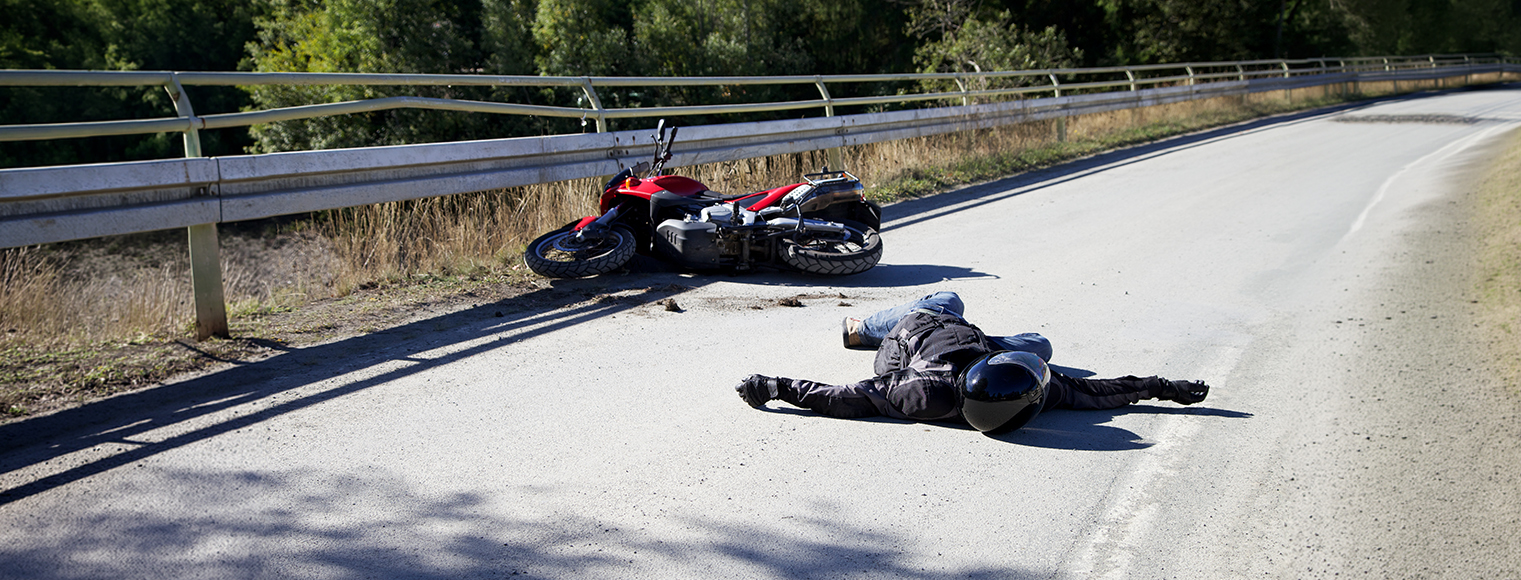
A car inches into the intersection and begins its turn. For a split second, the driver focuses on a gap in traffic and fails to see the motorcycle approaching from the opposite direction. The impact happens before either person has time to react.
According to the National Highway Traffic Safety Administration, an estimated 36,640 people died in motor vehicle accidents across the United States in 2025, including 1,177 traffic fatalities in Illinois.
Left-turn collisions remain one of the most dangerous types of crashes because they place motorcyclists directly in the path of a turning vehicle.
What you’ll learn:
- Why left-turn collisions are so dangerous for motorcyclists
- How fault is determined after a motorcycle accident
- What evidence strengthens a motorcycle accident claim
- How a Chicago motorcycle accident lawyer helps injury victims recover compensation
Why a Left Turn Collision Creates Serious Risks for Motorcyclists
Left-turn collisions are among the most common causes of serious motorcycle accident injuries. A driver making a left turn must judge speed, distance, traffic signals, and gaps in oncoming traffic within seconds. When that decision is wrong, the rider has little time to react.
Motorcyclists do not have the protection of a vehicle frame, airbags, or seat belts. A motorcycle accident that might leave a driver shaken may leave a rider facing serious injuries. It may leave them with medical treatment and months away from work.
Why Motorcyclists Are More at Risk for Accidents at Intersections
Motorcyclists are at greater risk of accidents because motorcycles occupy less visual space than passenger vehicles. Drivers approaching an intersection may look directly at a rider and still misjudge distance or speed.
The problem becomes more serious during a left turn. A driver searching for a gap in oncoming traffic may focus on larger vehicles and overlook the motorcycle entirely. That mistake is a common factor in motorcyclist accidents throughout Chicago.
How a Left Turn Crash Happens in Oncoming Traffic
Most left-turn crashes occur when a driver believes there is enough time to cross an oncoming lane. The decision is made in seconds and depends on accurately judging speed and distance.
A left turn collision occurs when that judgment is wrong. The turning driver enters the motorcycle’s lane before it is clear. This forces the rider into an emergency maneuver or direct impact. In many cases, the rider had the legal right of way.
Common Motorcycle Accident Injuries After a Left Turn Collision
When a motorcycle accident occurs at an intersection, the rider usually absorbs the impact force. The body may strike the vehicle, the pavement, or both. Even a relatively low-speed collision may produce life-changing injuries.
The severity of the injuries often depends on speed, point of impact, and whether the rider is thrown from the motorcycle. Medical treatment frequently begins at the crash scene and continues long after the motorcycle accident case is filed.
Why a Motorcycle Accident Often Causes Serious Injuries
Motorcycles leave riders exposed during a crash. Unlike occupants of passenger vehicles, riders have no surrounding structure to absorb impact forces. Protective gear reduces risk, but it cannot prevent every injury.
Common injuries in a motorcycle accident include:
- Broken bones and fractures
- Road rash and severe skin injuries
- Traumatic brain injuries
- Neck and back injuries
- Internal injuries and organ damage
- Facial injuries and disfigurement
These injuries often require extensive medical care. Many injury victims face ongoing rehabilitation, lost income, and substantial medical expenses.
Fatal Motorcycle Crashes and Catastrophic Injury Risks
Some left-turn collisions result in catastrophic injury or death. Riders may suffer spinal cord injuries, permanent disability, or other conditions that alter every aspect of daily life.
According to the National Highway Traffic Safety Administration, Illinois traffic fatalities rose 1.8% in the first nine months of 2025 even as the nation saw deaths decline 6.4%. Chicago drivers and riders face that risk every day at busy urban intersections.
Severe injuries change more than a victim’s physical health. They affect employment, family life, financial stability, and future medical needs. Those losses become central issues in a motorcycle accident claim and the effort to recover compensation.
Determining Fault in a Chicago Motorcycle Accident
Fault is one of the most important issues in any motorcycle accident case. Insurance companies often try to shift blame onto the rider. This is especially true when there are conflicting accounts of what happened inside the intersection.
Illinois law requires a careful review of the evidence. Determining fault usually depends on traffic laws, witness statements, physical evidence, and the actions of both drivers.
When the Turning Driver Is Liable for a Left Turn Accident
A driver making a left turn generally must yield to oncoming traffic before crossing an intersection. When a vehicle turns into the path of an approaching motorcycle, the turning driver is often responsible for the collision.
Liability becomes stronger when evidence shows the rider had a green light, was traveling lawfully, and had insufficient time to avoid the impact. In many motorcycle accident cases, the dispute centers on whether the driver failed to yield before attempting the turn.
How a Left-Turning Driver’s Failure to Yield Impacts the Case
Failure to yield is one of the most common causes of a left-turn accident. A left-turning driver may believe there is enough time to clear the intersection. They may have simply misjudged the motorcycle’s speed or distance.
That mistake may have serious legal consequences. When evidence shows the motorcycle had the right of way, the failure to yield becomes a key factor in establishing liability.
Building a Strong Motorcycle Accident Claim After a Left Turn Crash
A motorcycle accident claim succeeds or fails on evidence. The rider may know exactly what happened. However, insurance companies rarely accept a version of events without supporting documentation.
The strongest motorcycle claims combine physical evidence, witness accounts, medical records, and crash documentation. Together, those records help establish fault and connect the collision to the rider’s injuries and financial losses.
The Evidence Used to Prove Fault and Gather Evidence
Evidence begins disappearing almost immediately after a crash. Skid marks fade, vehicles are repaired, and surveillance footage may be deleted within days or weeks.
Important evidence often includes:
- Police reports
- Traffic camera footage
- Intersection surveillance video
- Photographs from the crash scene
- Vehicle damage documentation
- Witness statements
- Cell phone records when a distraction is suspected
The sooner evidence is preserved, the stronger the motorcycle accident claim becomes.
How Medical Records, Witness Testimony, and Accident Reconstruction Experts Strengthen Motorcycle Claims
Medical records document the injuries caused by the collision and the treatment required afterward. They establish the connection between the motorcycle crash and the rider’s medical expenses, ongoing care, and future needs.
Witness testimony provides an independent account of what occurred inside the intersection.In serious motorcycle accident cases, accident reconstruction experts analyze vehicle positions, impact angles, and roadway conditions to explain how the collision occurred.
Left Turn Collision Fault: Common Insurance Company Defenses
Insurance companies rarely accept liability without a challenge. They often argue that the rider was speeding, failed to maintain control, or could have avoided the collision.
Common defenses include:
- Claiming the rider entered the intersection too quickly
- Arguing that the motorcycle was difficult to see
- Alleging comparative fault by the rider
- Disputing the severity of injuries
- Questioning medical treatment or recovery timelines
A thorough investigation helps counter these arguments. Strong evidence makes it more difficult for insurance companies to shift responsibility away from the driver who caused the crash.
How Motorcyclists Can Reduce the Risk of a Left Turn Collision
Not every motorcycle accident is preventable. A rider cannot control the decisions made by other drivers. Still, defensive riding habits will reduce risk and improve reaction time when dangerous situations develop.
Many left-turn crashes happen in familiar places. Busy intersections, changing traffic signals, and drivers rushing through gaps in traffic create conditions where mistakes occur quickly.
Protective Gear, Visibility, and Defensive Riding Habits
Protective gear cannot prevent every injury, but it remains one of the best ways to reduce harm during a crash. Motorcycle helmets, riding jackets, gloves, and other protective gear provide valuable protection in a collision.
Visibility also matters. Riders who position themselves carefully, use headlights during daylight hours, and avoid lingering in blind spots are easier for oncoming drivers to see. Defensive riding habits create additional time to react when traffic conditions change unexpectedly.
Reading Traffic Signals, Green Arrows, and Driver Behavior
Traffic signals provide important clues about what other drivers may do next. A rider approaching an intersection should watch for vehicles waiting to turn left, especially when a green arrow is about to change or opposing traffic begins to slow.
Driver behavior also reveals potential danger. Sudden movement into an intersection, wheels beginning to turn, or hesitation followed by acceleration may signal that a turning driver is about to cross the rider’s path. Anticipating those actions helps riders prepare before a collision occurs.
Motorcycle Left-Turn Collision Liability
| Left-Turn Collision Scenario | Who Is Usually At Fault | Important Evidence |
| The driver turns across the motorcycle with the right of way | Left-turning driver | Traffic camera footage, witness statements |
| The driver fails to yield while turning left | Turning driver | Police report, intersection evidence |
| Motorcycle enters the intersection against the signal | Rider may share fault | Traffic signal records, video footage |
| The driver turns on the flashing yellow without yielding | Left-turning driver | Witness testimony, crash photographs |
| Visibility dispute between rider and driver | Depends on facts | Accident reconstruction, scene evidence |
Fault is not always determined by a single fact. Evidence from the scene, witness accounts, traffic signals, and vehicle positions often work together. They show how a left turn collision occurred and who was responsible.
Why the Right Law Firm Matters After a Chicago Motorcycle Accident
A left turn collision may leave a rider facing serious injuries, mounting medical bills, and constant pressure from insurance companies. While the rider focuses on recovery, important evidence may disappear, and deadlines continue to approach.
An experienced Chicago motorcycle accident lawyer understands how to investigate a left turn crash, establish fault, and calculate the full value of a motorcycle accident claim. Early legal involvement often makes a significant difference in the outcome of motorcycle accident cases.
What the right legal team provides:
- Thorough investigation of the left turn collision
- Collection of medical records and witness testimony
- Coordination with accident reconstruction experts when needed
- Identification of all available insurance coverage
- Negotiation with insurance companies seeking to limit payouts
- Pursuit of maximum compensation for medical bills, lost wages, and non-economic damages
The strongest motorcycle claims are built on evidence, preparation, and experience. Having the right law firm in your corner allows injury victims to focus on recovery while their legal team works to protect the value of the case.
Common Questions About Left Turn Motorcycle Accidents
What makes motorcyclists more vulnerable in left-turn accidents?
Motorcycles are smaller and less visible than passenger vehicles. Drivers making a left turn may misjudge a motorcycle’s speed, distance, or location and turn directly into its path. Riders also lack the protection provided by a vehicle frame, airbags, and seat belts.
What are the most common injuries in left-turn motorcycle crashes?
Common injuries include broken bones, traumatic brain injuries, road rash, internal injuries, and spinal cord injuries. Serious crashes may result in permanent disability or other life-changing medical conditions.
How can motorcyclists reduce the risk of intersection accidents?
Motorcyclists reduce risk by wearing protective gear, maintaining visibility, avoiding blind spots, and anticipating the actions of turning vehicles. Defensive riding techniques provide additional time to react when hazards develop.
What evidence is needed to prove fault in a motorcycle accident case?
Important evidence includes police reports, traffic camera footage, witness testimony, crash-scene photographs, medical records, and vehicle-damage documentation. In complex cases, accident reconstruction experts may also help establish how the collision occurred.
What should you do after a left-turn motorcycle collision in Chicago?
Seek medical attention immediately and report the accident to law enforcement. Document the scene if possible. Then gather contact information from witnesses, and avoid discussing fault with insurance companies before speaking with a Chicago motorcycle accident lawyer.
Speak With a Chicago Motorcycle Accident Lawyer Today
Left-turn motorcycle accidents happen in seconds, but the consequences may last for years. Determining fault, preserving evidence, and dealing with insurance companies becomes far more difficult when serious injuries are involved.
At Midwest Injury Lawyers, we represent injured riders throughout Chicago and Illinois. Our team investigates left-turn collisions, works with experts, and pursues full compensation for medical bills, lost wages, pain and suffering, and other damages caused by negligent drivers.
Contact us today for a free consultation. We will review your motorcycle accident case, explain your legal options, and help you pursue the compensation you deserve.