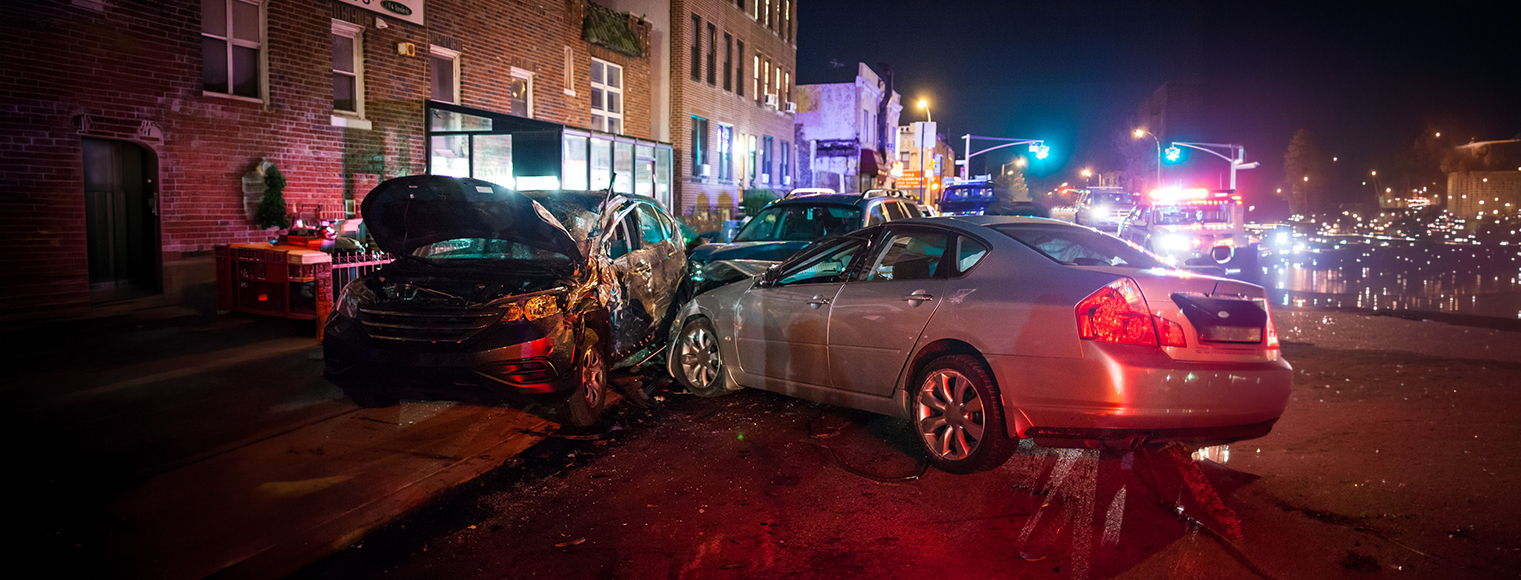
You are driving home from a long trip. One moment you are watching the road, the next a car drifts across the lane, and your life splits in two. The crash happens just past the state line, and suddenly, nothing about your accident feels simple.
According to the National Highway Traffic Safety Administration, an estimated 36,640 people died in U.S. motor vehicle crashes in 2025, with countless more injured in multi-vehicle crashes that cross state lines on interstate highways every day.
In this post, you’ll learn:
- What makes a multi-state car accident legally different
- How comparative negligence laws vary from state to state
- Why FMCSA regulations matter when a commercial truck is involved
- When to contact an Illinois car accident lawyer about your case
- What evidence strengthens multi-state car accident cases
What Makes a Multi-State Car Accident Different
A multi-state car accident creates legal complications that a single-state crash never does. Drivers, vehicles, insurance policies, and accident scenes may all touch different state laws, and those overlapping rules shape every part of the legal process.
Common Scenarios Behind Multi-Vehicle Crashes Across State Lines
Multi-vehicle accidents involving out-of-state drivers happen most often on interstate highways. Common scenarios include a chain-reaction crash near a state border, a rear-end collision involving drivers from multiple states, or a multi-vehicle collision that crosses jurisdictions.
Why Jurisdiction Matters in Multi-State Car Accident Claims
Jurisdiction decides which state’s traffic laws, comparative negligence rules, and filing deadlines apply to your case. An experienced car accident attorney evaluates personal injury jurisdiction issues early because the governing state’s law may dramatically affect the value of car accident claims.
Determining Fault When Multiple Drivers Are Involved
Determining fault becomes harder with each additional driver. In multi-vehicle accidents, every driver’s actions matter, and insurance companies often fight hard over which negligent driver’s actions caused which injuries.
How Police Reports Establish Fault
Police reports are the starting point for assigning fault in any car accident. Officers document accident scene details, interview drivers involved, and collect witness statements. They note traffic signals, road conditions, and vehicle damage.
A thorough investigation by an experienced car accident attorney builds on that foundation to establish fault.
Determining Liability in a Chain Reaction Crash
A chain-reaction crash often involves three or more vehicles and multiple contributing factors. Determining liability requires a detailed investigation that may include accident reconstruction, traffic camera footage, and analysis of who lost control first.
More than one at-fault party may bear responsibility, which directly affects how multi-vehicle car accident victims recover damages.
Which State’s Law Applies in a Multi-State Car Accident
Which state’s law applies is one of the first questions in any multi-state car accident case. The answer shapes the legal process, the available compensation, and the filing deadlines.
The “Place of Injury” Rule
Most states follow the “place of injury” rule, which means the state where the accident occurred typically governs the personal injury lawsuit. If the crash occurred in Illinois, Illinois personal injury law usually applies, even if the at-fault driver lives elsewhere.
Traffic laws of the state where the accident occurred also shape the determination of fault.
When the At-Fault Driver Lives in Another State
When the at-fault driver lives in another state, jurisdiction becomes more complicated. Courts weigh factors like where the drivers involved live, where the insurance coverage was issued, and where the accident occurred.
How Comparative Negligence Laws Vary by State
Comparative negligence laws vary dramatically from state to state. The system that applies to your case may change how much compensation you recover, especially in multi-vehicle accidents involving more than one at-fault driver.
Pure vs. Modified Comparative Negligence
Pure comparative negligence allows you to recover damages even if you are 99% at fault. Modified comparative negligence sets a bar (usually 50% or 51%) that blocks recovery if you exceed it.
A few states still follow contributory negligence, which bars recovery if you are even 1% at fault. State comparative negligence laws shape every multi-vehicle accident claim.
How Comparative Negligence Affects Multi-Vehicle Accident Claims
In a multi-vehicle accident with several at-fault parties, comparative negligence rules determine how each driver’s share of fault reduces their recovery. A small shift in fault percentage sometimes moves thousands of dollars between drivers.
| Negligence System | How It Works | Example States |
| Pure Comparative Negligence | Recover damages reduced by your fault percentage, even at 99% fault | California, Florida, New York |
| Modified Comparative (50% Bar) | Recover only if you are less than 50% at fault | Arkansas, Colorado, Maine |
| Modified Comparative (51% Bar) | Recover only if you are 50% or less at fault | Illinois, Texas, Pennsylvania |
| Contributory Negligence | No recovery if you are even 1% at fault | Alabama, Maryland, Virginia, North Carolina |
Commercial Trucks, Rideshare, and FMCSA Regulations
Accident cases involving commercial trucks or rideshare vehicles bring an entirely separate layer of law. Federal FMCSA regulations govern interstate trucking, and rideshare companies operate under state-specific rules that often override standard personal injury laws.
When FMCSA Regulations Override State Law
According to federal crash data, 1,600 fatal truck crashes were reported through July 2025, with commercial vehicles frequently involved in crashes that cross state lines.
FMCSA regulations cover hours of service, driver qualifications, and equipment standards, and federal rules often override state traffic laws in complex accidents involving interstate carriers.
Rideshare and Interstate Liability Questions
Rideshare drivers may carry coverage from the rideshare company, personal auto insurance, or both, depending on whether the app was active at the time of the crash.
A multi-vehicle collision involving a rideshare driver who crossed state lines may bring multiple insurance companies into a single personal injury case. This scenario makes the legal process significantly more complicated.
Insurance Coverage Requirements and Multi-State Insurance Claims
Insurance coverage requirements differ from state to state, and multi-state insurance claims often pull several insurance companies into a single car accident lawsuit. Understanding which coverage applies, and in what order, is one of the most important early steps after a crash.
Personal Injury Protection and Uninsured Motorist Coverage
Some states require personal injury protection, while others do not. The coverage available to car accident victims depends on where the policy was issued and where the accident occurred.
- Personal injury protection coverage for medical bills regardless of fault
- Uninsured motorist coverage when the at-fault party has no insurance
- Liability coverage required by each state’s minimum limits
- Underinsured motorist coverage when the at-fault driver’s policy limit is too low
How Multiple Insurance Companies Handle One Claim
When multiple insurance companies are involved, each adjuster works to minimize what their company pays. A skilled car accident lawyer manages every insurer, pursues maximum compensation, and protects car accident victims from accepting less than fair compensation.
Evidence That Strengthens Multi-State Car Accident Claims
Strong evidence is the foundation of any car accident lawsuit. In multi-state cases, evidence becomes even more important because each piece may need to satisfy the rules of more than one jurisdiction.
Police Reports, Witness Statements, and Accident Scene Details
The accident scene is where most evidence is created and lost. Acting quickly protects your right to pursue compensation.
- Police reports documenting the accident scene and the drivers involved
- Photographs of vehicle damage, property damage, and visible injuries
- Witness statements gathered before memories fade
- Traffic camera and surveillance footage from the area
Medical Records and Documentation of Car Accident Injuries
Car accident injuries often grow worse over the days following a crash. Seeking medical attention right away protects your health and your insurance claim.
- Emergency room records documenting initial injuries
- Medical records from follow-up visits and specialists
- Documentation of lost wages and medical expenses
- Expert opinions linking injuries directly to the crash
When to Contact an Illinois Car Accident Lawyer
A multi-state car accident lawsuit is rarely something to handle alone. Multiple insurance companies, conflicting state laws, and aggressive defense teams create complexity. This demands experienced legal representation by a lawyer who regularly handles these cases.
An experienced car accident attorney brings:
- Deep knowledge of Illinois personal injury laws and comparative negligence laws by state
- Strategic jurisdiction analysis to file your car accident claim in the most favorable state
- Direct negotiation with multiple insurance companies to gather evidence and pursue maximum compensation
- Familiarity with FMCSA regulations when commercial trucks are involved
- Accurate calculation of medical bills, lost wages, and future damages from a serious car accident injury
- Free consultation and contingency representation, so you pay nothing unless you win
The right Illinois car accident lawyer levels the playing field against insurance carriers from every state involved. You should never face multiple insurance companies and out-of-state defense lawyers alone when fair compensation is on the line.
Standing With Drivers After a Multi-State Car Accident
A multi-state car accident changes everything in seconds. The medical bills, lost wages, and confusion over which state’s rules apply leave families feeling overwhelmed at exactly the moment they need clear answers most.
At Midwest Injury Lawyers, we have spent years helping accident victims navigate complex car accident cases across state lines. Our team evaluates car accident jurisdiction early and pursues fair compensation in settlement negotiations and wrongful death cases alike.
If you were hurt in a multi-state crash, contact us today for car accident help and a free consultation. There are no fees unless we recover compensation for you, and we will fight to get you the justice and recovery you deserve.
Frequently Asked Questions About Multi-State Car Accidents
Which state’s law applies after an interstate car accident?
Most states follow the “place of injury” rule, meaning the state where the accident occurred typically governs the car accident lawsuit. However, courts may consider where drivers live, where insurance was issued, and other factors when deciding personal injury jurisdiction.
How does comparative negligence affect interstate accident claims?
Comparative negligence laws vary widely by state. Pure comparative negligence allows recovery even at 99% fault, modified systems block recovery at 50% or 51%, and a few states still follow contributory negligence that bars any recovery if you share even 1% of the fault.
What if the accident involves a commercial truck or rideshare vehicle?
Commercial trucks are governed by FMCSA regulations that often override state traffic laws. Rideshare drivers may be covered by company insurance, personal car accident insurance, or both, depending on whether the app was active.
What evidence is important in a multi-state car accident claim?
Strong evidence includes the police report, witness statements, photographs of the accident scene, medical records, and documentation of injuries sustained in the car accident. Gathering evidence quickly is important, as details fade and accident scene conditions change.
Can filing deadlines vary in multi-state accident cases?
Yes. Each state sets its own statute of limitations for personal injury cases, and the deadline that applies depends on which state’s law governs your claim. Missing the filing deadline almost always ends a car accident lawsuit.