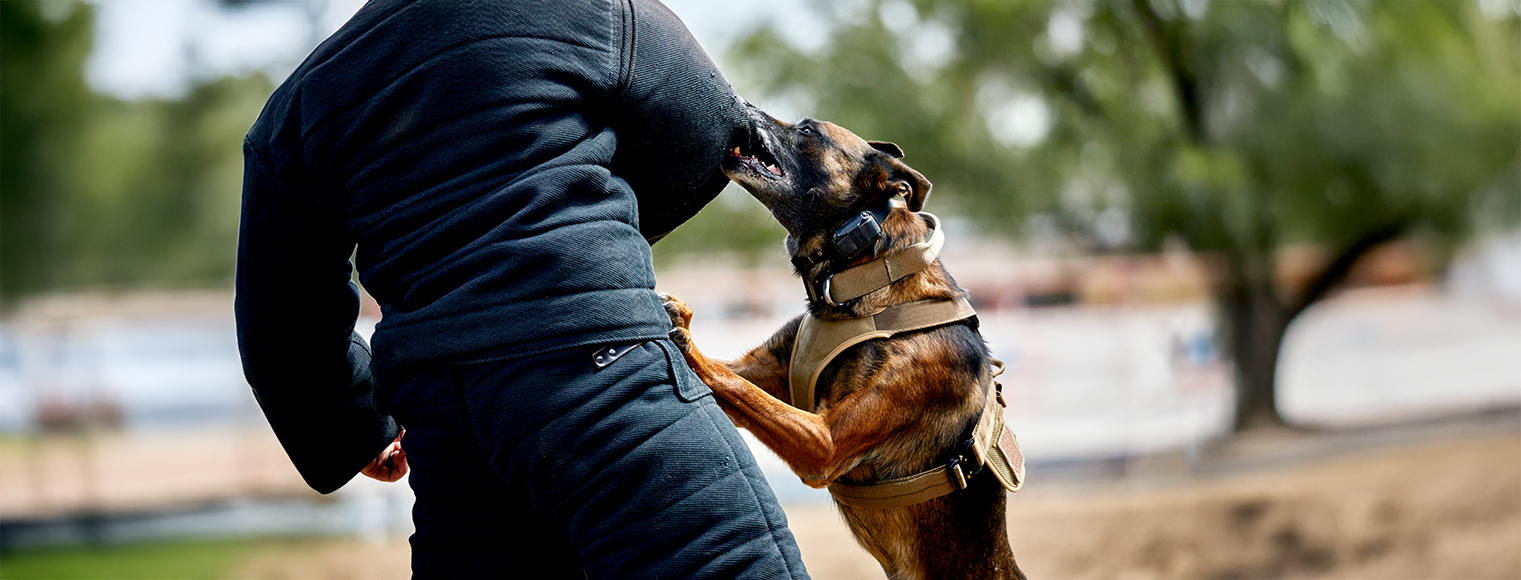
Did you know that, every year in the United States, an estimated 4.5 million people are bitten by dogs, and nearly 20 percent of those bites require medical attention?
What many victims don’t realize is that the legal outcome of a dog bite case often depends less on the injury itself and more on where the bite occurred.
Dog bite laws vary widely from state to state. Some states hold dog owners legally responsible for injuries caused by a dangerous dog. Others require proof that the owner’s knowledge of the dog’s dangerous propensities existed before liability attaches.
These differences can affect whether compensation is available at all, and how quickly a claim must be filed after a biting incident.
In this guide, we’ll cover:
- How dog bite laws differ by state
- Strict liability versus fault-based dog bite laws
- What victims may need to prove after a bite
- When a dog bite attorney can help
Why Dog Bite Laws Are Different From State to State
Dog bite cases are governed by state law. There is no single national standard. That means responsibility, defenses, and recovery rules can change the moment a state line is crossed.
Each state sets its own liability framework through statutes, common law, and local laws. Some states impose a legal duty on dog owners when a dog causes injury. Others require proof of the owner’s knowledge or negligent conduct before an owner is held liable.
These differences have real consequences. Filing deadlines vary. Evidence requirements vary. Where the injury occurs, on public or private property, affect how responsibility is assigned.
The Two Main Legal Approaches to Dog Bite Liability
States generally follow one of two legal approaches when assigning responsibility for dog bite injuries. Which system applies can determine whether a claim moves forward or stalls early.
Understanding this distinction matters. It affects what evidence is required. It also affects how quickly action needs to be taken after a dog attack.
Strict Liability Dog Bite Laws
Under strict liability laws, dog owners may be held liable for injuries caused by their dog, even without proof of prior aggression. In these states, the law assumes responsibility based on the outcome of the biting incident rather than the dog’s past behavior.
This approach focuses on the injury itself. If a dog caused bodily injury to a person lawfully present on public or private property, the owner may be strictly liable. That can simplify claims, but it does not eliminate all defenses.
Issues such as whether the person bitten was on the owner’s property, whether provocation occurred, or whether the bitten person’s negligence contributed can still matter. Evidence remains critical in establishing how the injury occurred.
Fault-Based and “One Bite Rule” Dog Bite Laws
Fault-based systems place a higher burden on the injured person. In certain states, victims may need to show that the dog’s dangerous propensities were known to the owner or that negligent handling occurred.
This often involves evidence of prior dog attacks, warnings, or failure to restrain such a dog. Without that proof, recovery may be limited. These cases are fact-driven and more vulnerable to delay.
Time matters under this approach. Memories fade. Records disappear. Waiting too long can make an already difficult claim harder to prove.
Dog Bite Laws by State: Key Differences That Matter
Dog bite laws may follow similar legal frameworks, but the way states apply those rules can differ sharply. Liability standards, defenses, and damage considerations all depend on state law. These differences often determine whether a claim moves forward or stalls early.
| State | Liability Rule | Key Notes |
| Wisconsin | Owner responsibility statute | Dog owners may be held liable for injuries caused by their dog; damages depend on the circumstances. |
| Illinois | Strict liability | Liability applies even without prior incidents; lawful presence on public or private property is required. |
| Indiana | Fault-based | Victims generally must prove negligence or the owner’s knowledge of the dog’s dangerous propensities. |
How Dog Bite Laws Work in Wisconsin
Wisconsin applies a statutory approach that places responsibility on dog owners in many bite cases. Responsibility may attach even if the dog has never bitten before.
Key points under Wisconsin law include:
- How Wisconsin assigns responsibility after a dog bite
- What injured victims may still need to prove
- Situations that can affect liability
- Why timing matters when speaking with a Wisconsin dog bite lawyer
Wisconsin’s Liability Standard
Wisconsin law generally holds a dog owner responsible when their dog bites and injures someone. The dog’s past behavior does not have to show aggression for responsibility to apply.
The focus is on whether the injury occurred and whether the person bitten was lawfully present on public or private property. If so, the owner may be held liable for resulting physical injury.
What Injured Victims Still Need to Prove
Responsibility does not eliminate the need for proof. Victims must still show that the dog caused injury and that damages resulted.
Medical records, photographs, and witness statements matter. Severe injury, broken bones, or serious bodily injury can significantly affect how a claim is evaluated.
When Liability Can Be Limited
There are situations where liability may be reduced. The bitten person’s negligence can matter. Location can matter. Whether the bite occurred on the owner’s property can matter.
These issues are fact-specific. Small details can affect whether an owner is ultimately held liable.
How Dog Bite Laws Work in Illinois
Illinois imposes responsibility on dog owners when a dog injures a person without provocation. The law places a strong duty on owners of companion animals to prevent harm.
Under Illinois law, several factors are especially important:
- How Illinois assigns responsibility after a dog bite
- What injured victims must still establish
- Circumstances that can affect liability
- Why early action matters after a bite
Illinois’ Liability Rule
Illinois law holds dog owners liable when their dog causes injury to a person who is lawfully on public or private property. Prior attacks or knowledge of dangerous propensities are not required.
This rule applies even in first-time biting incidents. It often surprises owners who believed a bad dog history was required.
What Injured Victims Must Still Show
Responsibility does not mean automatic recovery. Victims must establish that the dog caused bodily injury and that the injured person was lawfully present.
Medical documentation matters. Whether the injury resulted in cosmetic surgery, severe injury, or lasting damage can affect claim values.
When Liability Can Be Challenged
Certain facts can complicate responsibility. Provocation can matter. Whether the bitten person’s negligence contributed can matter.
These disputes often arise quickly. Clear documentation helps resolve them before they escalate.
How Dog Bite Laws Work in Indiana
Indiana applies a fault-based approach in many dog bite cases. Responsibility often depends on negligence or the owner’s knowledge rather than the bite alone.
After a dog bite in Indiana, several legal factors come into play:
- How Indiana determines owner responsibility
- What injured victims may need to prove
- When negligence or prior knowledge matters
- Why early action is often critical under Indiana law
Indiana’s Fault-Based Liability Framework
Indiana does not impose automatic responsibility in most dog bite cases. Victims often must show that the owner knew of the dog’s dangerous propensities or failed to act reasonably.
This shifts focus to prior conduct, warnings, and how the dog was handled. Without evidence, establishing liability may be difficult.
What Injured Victims Often Must Prove
Indiana dog bite claims often turn on proof of fault. Victims may need to show the owner failed to control the dog or ignored known risks.
Animal control records, prior complaints, and witness statements can be critical. Without this evidence, meeting Indiana’s burden can be difficult.
When Liability Can Be Disputed
Disputes are common in fault-based cases. Dog owners may deny negligence or claim the incident was unavoidable.
Insurers often challenge how the bite occurred or whether the dog showed dangerous behavior before. These disputes shape how aggressively a claim is defended.
What Victims Usually Need to Prove in a Dog Bite Claim
While dog bite laws differ by state, most claims turn on a small set of core factual issues. How those issues are evaluated depends on state law, but they often determine whether liability attaches and how damages are assessed.
Dog Ownership or Control
Responsibility usually begins with ownership, but it does not always end there. A person who controlled, housed, or handled the dog at the time of the incident may also be held responsible.
This distinction matters in cases involving shared households, caretakers, or incidents occurring on another person’s property. Clarifying who exercised control over the dog helps identify where legal responsibility may fall.
How the Bite Occurred
Courts and insurers closely examine the circumstances of the bite. Location matters. So does why the injured person was there and what was happening immediately before the incident.
Whether the bite occurred on public or private property, and whether the injured person was lawfully present, can affect liability. Small factual disputes often become central issues in dog bite cases.
Injury and Damages
A bite alone does not establish a claim. Victims must show that the dog caused actual injury resulting in harm.
Medical treatment records, follow-up care, scarring, and long-term effects all shape how damages are evaluated. More serious injuries tend to raise more complex legal and financial questions.
Evidence and Timing
Across all states, evidence shapes outcomes. Witness accounts, medical records, photographs, and incident reports often carry significant weight.
Timing affects whether that evidence exists at all. Delays can make claims harder to evaluate, especially when responsibility or conduct is disputed under state law.
Take Your Rightful Action After a Dog Bite
The right law firm understands how dog bite laws vary by state and how those differences affect liability and damages. That knowledge shapes how complex cases are evaluated and how insurers are challenged when responsibility is contested.
Midwest Injury Lawyers brings that experience to dog bite cases. Our practice focuses on serious injury cases, including dog bite claims, across multiple states. That focus allows their team to identify liability issues clearly and pursue claims with purpose.
We offer a free consultation and contingency-based representation, so injured victims can get answers without upfront cost. To learn how the law applies to your situation, contact our team!