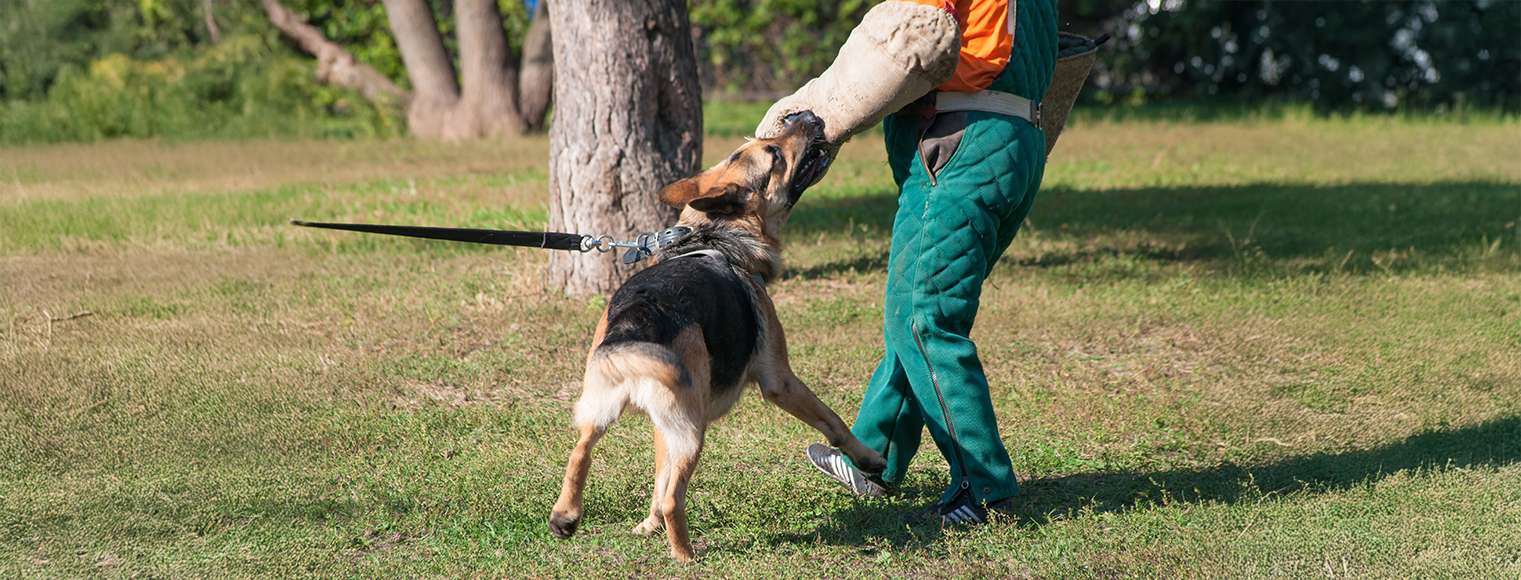
A walk through a familiar neighborhood can turn violent in seconds. A dog lunges. Skin breaks. The shock fades, but the consequences don’t. Medical treatment begins immediately, work is missed, and questions about responsibility and compensation follow just as fast.
According to the Insurance Information Institute (Triple-I) and State Farm, U.S. insurers paid $1.57 billion in dog-related injury claims in 2024.
Dog bite compensation is not automatic according to Wisconsin Statutes. The amount that may be recovered depends on the injury, the circumstances of the dog bite incident, and how the claim is handled early on. Legal fees are another common concern that can delay action if expectations are unclear.
In this guide, we’ll cover:
- What dog bite compensation may include under Wisconsin’s dog bite laws
- What affects a dog bite compensation amount
- How legal fees work in a dog bite compensation claim
- When speaking with a Wisconsin dog bite lawyer makes sense
How Dog Bite Compensation Works in Wisconsin
Dog bite compensation in Wisconsin is based on responsibility, not assumptions. Under state law, an injured person may pursue compensation when a dog injures someone, but outcomes depend on the specific facts surrounding the attack.
Dog bite injuries are common. According to the Centers for Disease Control and Prevention, roughly 4.7 million people in the United States are bitten by dogs each year, with hundreds of thousands requiring medical care.
What Compensation Is Meant to Cover
Compensation is intended to address losses caused by the dog bite. That may include medical treatment, lost income, and the physical and emotional effects of the injury. There is no fixed payout schedule. Each claim is evaluated on its own details.
Courts look closely at how and where the bite occurred. Lawful presence, behavior leading up to the incident, and the circumstances of the attack all influence whether a dog owner or another party may be held responsible.
Why Early Documentation Matters
Because these cases are fact-driven, early documentation plays a major role. Incident reports, medical records, and follow-up care help establish how the claim is evaluated under Wisconsin statutes.
If you want, I can tighten it one more notch for SEO or align it more closely with the surrounding sections.
Types of Compensation Available After a Dog Bite
Dog bite compensation in Wisconsin can cover more than immediate treatment. The law allows recovery for several categories of loss, depending on the dog bite injuries and their impact on daily life.
Key areas of compensation may include:
- Medical care and future treatment needs
- Lost income and reduced earning capacity
- Pain, scarring, emotional distress, and lasting physical impact
Medical Expenses and Ongoing Care
Medical costs often begin with emergency treatment, but dog bite compensation typically extends far beyond the initial visit. Surgery, medication, follow-up care, and specialist treatment are commonly included when evaluating a claim.
More serious injuries may require rehabilitation or corrective procedures, with future care considered when lasting complications are expected. Clear medical documentation linking treatment to the dog bite helps define the full scope of care and supports the overall claim.
Lost Income and Reduced Earning Capacity
Dog bite injuries can disrupt work in immediate and lasting ways. Missed shifts, reduced hours, or temporary inability to perform job duties may all factor into financial compensation.
When injuries limit a person’s ability to return to the same type of work, reduced earning capacity becomes an issue. Physical restrictions, lingering pain, nerve damage, or permanent limitations can affect future employment options.
These impacts are often evaluated by reviewing work history, job requirements, and how the injury alters earning potential over time.
Pain, Scarring, and Lasting Impact
Dog bite compensation is not limited to economic losses alone. Physical injuries, visible scarring, emotional trauma, and emotional suffering are also considered.
These effects are assessed based on severity, duration, and permanence. Scarring in visible areas, ongoing discomfort, or long-term limitations carry greater weight than minor injuries that resolve quickly. The daily impact on the injury victim matters when evaluating fair compensation.
What Affects a Dog Bite Compensation Amount
There is no standard payout for a dog bite injury. Compensation amounts vary based on the facts of each case and the support for those facts.
Factors That Influence Dog Bite Compensation in Wisconsin
| Factor | Why It Matters |
| Severity of the injury | More serious injuries often involve higher costs and longer recovery |
| Medical treatment | Ongoing care or future treatment can increase compensation |
| Lost income | Time away from work and reduced earning capacity affect value |
| Evidence | Clear documentation supports stronger claims |
| Disputed responsibility | Disagreements over fault can affect evaluation and timelines |
How Legal Fees Work in Wisconsin Dog Bite Cases
Concerns about legal fees often stop people from taking the next step after a dog bite.
Key points about legal fees in dog bite cases include:
- How contingency fees work
- What case-related costs may involve
- Why fee structure matters early
Contingency Fees Explained
According to the American Bar Association, Most dog bite compensation cases are handled on a contingency fee basis. That means legal fees are tied to the outcome rather than billed upfront.
The ABA also states that If compensation is recovered, the attorney receives a percentage of the amount recovered. If no recovery is made, legal fees are typically not owed. This structure allows dog bite victims to pursue claims without paying out of pocket.
What Costs May Be Involved
In addition to legal fees, some cases involve costs related to building a personal injury claim. These may include obtaining documentation, paying filing fees, obtaining an expert review, or animal control reports.
How these costs will be handled should be clearly explained at the outset. Transparency enables informed decisions about next steps.
Common Concerns About Filing a Dog Bite Compensation Claim
Many people hesitate to pursue dog bite compensation because they are unsure what the process involves. Cost concerns, uncertainty about claim value, and discomfort with legal action are common.
Is a Dog Bite Compensation Claim Worth Pursuing?
Some dog bite injuries seem manageable at first. Emergency care ends. Pain improves. Daily routines return.
That early improvement can be misleading. Dog bite compensation often covers follow-up treatment and the risk of infection. Scarring, nerve damage, and emotional distress may develop over time. Lost wages and reduced work capacity can surface later.
A claim is not just about how you feel today. It is about how the injury affects medical needs, work, and daily life over the full recovery period.
What If the Dog Belongs to Someone You Know?
Claims feel harder when the dog belongs to a friend, neighbor, or family member. Many people hesitate because they do not want to cause conflict or financial harm.
In most cases, compensation is handled through a homeowner’s or renter’s insurance policy, not paid directly by the dog owner. The process is typically between the injured party and the insurance carrier.
When Is the Right Time to Act?
Timing creates uncertainty after a dog bite. Some people wait to see how the injury heals before taking any action.
Waiting can cause a myriad of problems. Medical records become harder to connect, witnesses become harder to reach, and insurers may question the seriousness of the injury.
Early evaluation does not require filing a dog bite lawsuit. It helps preserve evidence, clarify options, and protect legal rights before deadlines become an issue.
When Speaking With a Dog Bite Compensation Attorney Makes Sense
Dog bite compensation cases often involve decisions that shape outcomes long before resolution. Medical treatment, insurance communication, and how responsibility is framed all matter.
Legal representation becomes especially important when complexity increases:
- Serious or lasting dog bite injuries
- Disputes over responsibility or insurance response
- Uncertainty about compensation or legal fees
Serious or Lasting Dog Bite Injuries
Dog bite injuries involving surgery, infection, scarring, or long-term impairment raise issues beyond initial care. These injuries often require follow-up treatment, specialist visits, or corrective procedures over time.
Future medical needs matter. When ongoing care or permanent limitations are expected, those projected costs affect how compensation is evaluated.
Delays can create problems. Waiting too long makes it harder to connect later complications or lasting effects to the original dog bite.
Disputed Responsibility or Insurance Pushback
Disputes are common in dog bite claims. Dog owners or insurance companies may deny fault, question how the incident occurred, or minimize the severity of injuries.
Insurers often focus on evidence gaps. Delayed treatment, missing reports, or unclear details can be used to challenge responsibility.
Understanding how liability rules apply to animal attacks helps address disputes and frame claims effectively.
Uncertainty About Compensation or Legal Fees
Many victims hesitate because they are unsure what compensation may include. Others worry about how legal fees affect recovery.
This uncertainty often leads to delay. Future medical costs, lost income, and non-economic impacts are easy to underestimate early on.
Clear guidance helps set expectations. Speaking with seasoned lawyers to better understand your legal options supports informed decisions.
Taking the Next Step After a Dog Bite in Wisconsin
Dog bite compensation cases depend on more than the injury alone. Responsibility, evidence, and insurer response all influence outcomes.
Experience matters in dog bite cases, and Midwest Injury Lawyers brings that experience to every claim they handle. Our law firm focuses on injury cases, including dog bite compensation claims across the state, and knows how to represent dog bite victims effectively.
Midwest Injury Lawyers offer a free case evaluation and contingency-based legal representation, allowing injured parties to seek fair settlements without upfront costs. To discuss your situation and possible next steps, contact our team today!